A leaky or aging roof does more than drip into an attic or look tired from the curb. The roof is a primary control point for heat gain in summer and heat loss in winter. When shingles, underlayment, flashing, and ventilation stop doing their job, a home's heating and cooling system works harder, energy slips out or in, and monthly bills rise. Replacing a roof presents a chance to fix those problems, not merely to cover them. This article explains the mechanics, the practical choices that matter, and the trade-offs homeowners face when they combine roof replacement Express Roofing - NJ Roof replacement with an energy-efficiency upgrade.
Why replacing a roof can change your energy profile A roof replacement is more than new shingles. It is a construction window when you can upgrade insulation, improve ventilation, and choose materials that reflect or insulate better. Heat transfer through a roof happens several ways: conduction through decking and insulation, convection driven by attic air movement, and radiation from the sun. Addressing one pathway without the others produces limited returns.
Consider a simple, typical case: an older home with R-19 attic insulation, a roof deck that has seen some water staining, and single-layer asphalt shingles that are dark and worn. In summer, radiative heat from the sun heats the shingles, then the decking, and that warmth migrates into the attic. Without adequate attic insulation or ventilation, heat raises the temperature of the living space below, and the air conditioner runs longer. In winter, the opposite occurs: warm attic air created by a household escapes through gaps and warms the roof deck, melting snow and causing ice dams, while conditioned air is lost to the outside. Replacing the roof gives an opportunity to add insulation at the attic plane, add proper underlayment and air sealing, and select roofing materials with higher solar reflectance or thermal resistance.
Key components to address during a roof replacement Shingles or roofing material High-reflectance shingles, metal roofing, and certain tile or coated membranes reflect more solar radiation than traditional dark asphalt. Reflective roofs lower peak cooling loads in warm climates. Even within asphalt roofing, product choice matters: architectural shingles with a lighter granule color and reflective coatings yield measurable differences compared with old, dark three-tab shingles.
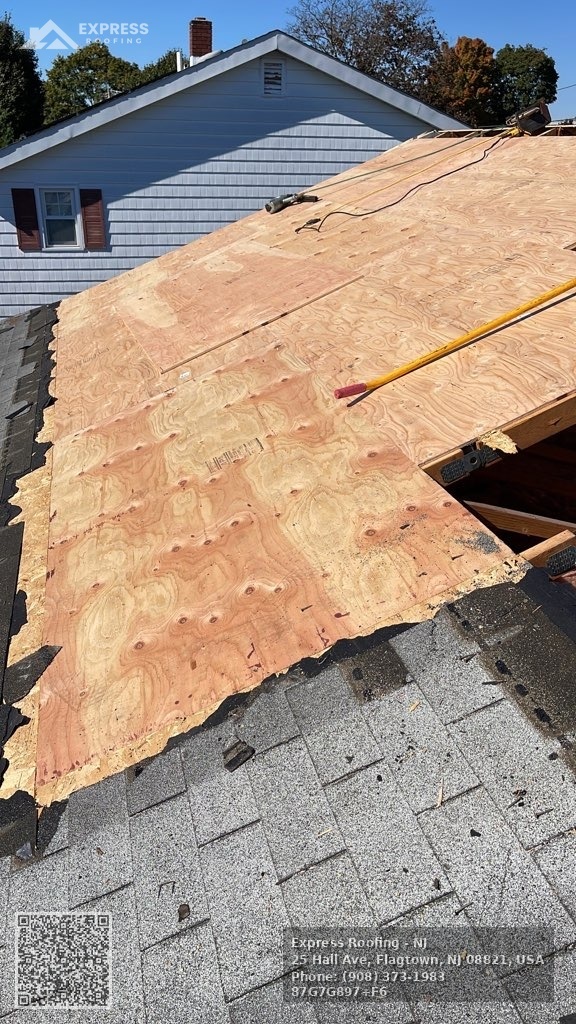
Underlayment and deck repair Old felt underlayment becomes brittle and loses its moisture protection. Modern synthetic underlayments offer better water-shedding and lower vapor retention. Replacing damaged deck boards ensures a stable substrate and eliminates small gaps where air can leak. A well-secured, continuous deck reduces convective losses and improves the effectiveness of any radiant barrier or insulation installed.
Air sealing and attic insulation Replacing the roof is the right time to seal attic penetrations such as plumbing stacks, recessed lights, and HVAC duct entries. Air sealing reduces the uncontrolled exchange of conditioned air with the attic. Upgrading from R-19 to R-38 or R-49 in many climates can cut heating and cooling loads significantly. The exact target R-value depends on climate zone, but the principle stands: less conductive heat transfer through the ceiling means less demand on HVAC equipment.
Ventilation Balanced intake and exhaust ventilation mitigates summer heat buildup and reduces condensation risk in winter. Ridge vents, soffit vents, and gable vents, when sized properly, create a passive airflow that removes hot air and equalizes attic temperature with ambient conditions. This reduces the temperature differential that drives heat transfer.
Flashing and penetrations Poor flashing around chimneys, skylights, and valleys is a common source of leaks and localized insulation damage. Properly detailed flashing prevents water intrusion that can saturate insulation and undermine thermal performance.
How much energy savings can homeowners expect? Savings depend on climate, existing roof condition, the scope of work, and choices made during replacement. That said, several practical reference points help set expectations.
If a home with little attic insulation upgrades from R-19 to R-38 and adds comprehensive air sealing, heating bills in a cold climate can drop noticeably, often in the 10 to 20 percent range. Cooling bill reductions in hot climates from adding R-value and improving reflective properties can also fall in that range, particularly if the prior roof was in poor condition. Installing a properly ventilated and reflective roof in a hot, sunny region may reduce peak cooling demand by 5 to 15 percent compared with a dark roof and poorly ventilated attic.
Anecdote from field work: I once supervised a re-roofing project on a 1960s bungalow in the Sun Belt. The homeowner chose a mid-grade, light-colored architectural shingle and we added ridge venting plus a 6-inch raised baffle at the eaves to ensure soffit airflow. We also air sealed the attic rim joists. The homeowner reported a perceptible drop in daytime attic temperature on summer afternoons and saw a 12 percent reduction in monthly summer electric use compared with the prior year, adjusted for occupancy and thermostat settings. Their price of a new roof was higher than a basic re-roof because they insisted on replacing the underlayment and adding ventilation details, but the improved comfort and lower bills justified the cost within a few years.
Material choices and where they make sense Metal roofing Metal reflects solar radiation better than old dark shingles and can shed heat quickly. It performs particularly well in hot climates. Metal can be more costly upfront than asphalt, but it lasts longer and can be paired with insulated sheathing for extra R-value. On steep roofs, metal also sheds snow and water effectively, reducing the risk of localized ice damming when combined with good attic insulation.
Cool roofs and reflective coatings Cool roofs are designed with high solar reflectance and thermal emittance. White coatings or reflective granules can lower surface temperature significantly. They work best where cooling loads dominate annual energy use. In mixed or cold climates, reflective roofs may slightly increase winter heating demand by reflecting solar gains that would otherwise help warm the house, so weigh the annualized benefits.
Asphalt shingles Asphalt remains cost-effective and widely used. Lighter and higher-quality architectural shingles can offer improved reflectivity and durability, but their thermal performance is fundamentally limited compared with metal or cool coatings. Asphalt is often the right choice for residences where upfront budget constraints are strong or neighborhood aesthetics limit material options.
Insulated roofing assemblies Rigid foam sheathing or insulated panels attached above the roof deck add continuous thermal resistance and reduce thermal bridging at rafters. This approach raises costs but yields a clear improvement in thermal performance, and it is compelling when a homeowner is replacing the roof for other reasons and wants long-term efficiency gains.
Practical steps to align roof replacement with energy goals Before signing a contract, take these actions to avoid wasted effort and expense.
Get a pre-replacement attic inspection A good roof repairman or contractor should open the attic and inspect insulation levels, moisture stains, ventilation, and the condition of rafters and deck. If the roofer refuses to inspect the attic, treat that as a red flag. Problems in the attic will undermine any new roof's thermal performance.
Prioritize air sealing before insulation Adding more insulation on top of existing air leaks will reduce returns. Sealing the attic floor and attic penetrations first yields the best bang for buck. Air leakage can be the single largest source of energy waste in many older homes.
Decide whether to replace or overlay Some roofing companies will offer an overlay, where a new layer of shingles goes over existing ones. While cheaper up front, an overlay can hide deck problems, impede inspection, and reduce the effectiveness of underlayment upgrades. In energy-focused replacements, full tear-off is typically preferable despite the higher cost because it allows for deck repairs, underlayment selection, and better flashing details.
Coordinate with HVAC and insulation contractors Roofing companies rarely handle insulation work. Schedule insulation and air-sealing contractors to work in tandem with the roof replacement to avoid rework and to maximize the efficiency gains while the roof is open.
Financing and cost considerations Price of a new roof depends on materials, tear-off versus overlay, labor, local market conditions, and whether additional work like insulation, ventilation, and deck repairs are included. As a rule of thumb, a basic asphalt shingle roof can range widely, often between $5,000 and $15,000 for a typical single-family home, while higher-end materials, steep roofs, or complex flashing details can push the price higher. Metal roofs, insulated assemblies, or large roof sizes can double those figures.
When homeowners ask whether the energy savings justify the added cost of higher-performance materials, the answer depends on several variables: local climate, energy prices, existing roof condition, and how long the homeowner plans to stay in the house. If you expect to live in the home for a decade or more, investing in longer-lasting materials and adding insulation typically has a strong financial and comfort rationale. If resale in the near term is more likely, prioritize visible quality and water-tightness, and consider less expensive upgrades with some reflective or ventilating improvements.
A short checklist to discuss with contractors
- Confirm whether the estimate is for a tear-off or overlay and request the expected disposition of old materials. Ask for an attic inspection report that documents current insulation R-value, ventilation type and sizing, and visible moisture issues. Request details on air sealing work: what penetrations will be sealed, and will rim joists be addressed? Compare the solar reflectance index or manufacturer data when considering coated shingles or metal roofing if cooling savings are a goal. Verify warranties for both labor and materials, and check that the roofing company is licensed and carries liability and workers compensation insurance.
Trade-offs and edge cases Cold climates with heavy snow In cold regions, solar reflectance is less beneficial in winter, where passive solar gain reduces heating demand. The priority shifts to air sealing, high R-value insulation at the attic level, and preventing ice dam formation through proper ventilation and roof warming control. Installing an overly reflective roof without addressing attic heat escape can increase heating costs marginally; balance is key.
Historic homes and aesthetic constraints Neighborhood covenants or historic districts may restrict visible materials or colors. In those cases, insist on improving the invisible performance: air sealing, adding insulation where allowed, and improving underlayment and flashing. In some cases, thin insulated sheathing beneath shingles can add R-value without changing appearance.
Flat roofs and low-slope roofs Flat roofs transfer heat differently, with membrane performance and roof insulation levels playing a larger role. For low-slope roofs, consider continuous insulation above the deck and membranes with high reflectivity. Proper slope and drainage remain critical to avoid ponding, which damages insulation and membrane performance.
Signs your roof replacement was focused on energy, not just appearance After the job, evaluate these outcomes. The attic should have visible continuous underlayment and intact decking where replaced. Venting should be balanced and unobstructed, with intake at the soffits or eaves and exhaust at ridges or roof-mounted vents. Insulation levels should match the contractor's documentation, and air-sealing work should be visible around chimneys and penetrations. Ideally, the contractor provides a post-work inspection report with before-and-after photos and warranty documentation.
Working with roofing companies and contractors Not all roofing companies approach a replacement with energy in mind. Choose a company that understands building science basics and coordinates with insulation and HVAC trades. A competent roof repairman can identify attic problems and recommend corrective steps rather than just offering the cheapest shingle option. Ask prospective roofing companies for references on projects where they addressed both roof materials and attic performance. Check local building department records for permit history and any complaints.
Final observations on value and longevity A roof replacement that focuses solely on curb appeal or that cuts corners on underlayment, flashing, and ventilation is a missed opportunity. Done thoughtfully, roof replacement yields multiple benefits: reduced energy use, fewer ice dams, better indoor comfort, and longer service life for the roofing system. The incremental cost of upgrading materials and adding insulation or air sealing often pays back through lower bills, reduced maintenance, and higher resale appeal.
Decisions should be guided by climate, budget, and how long you plan to occupy the home. For many homeowners, the right balance is a full tear-off, modern underlayment, targeted insulation upgrades, and improved ventilation, paired with a quality roofing material suited to the local climate. That combination turns a necessary home maintenance expense into an investment that lowers monthly bills and increases long-term resilience.
Express Roofing - NJ
NAP:
Name: Express Roofing - NJ
Address: 25 Hall Ave, Flagtown, NJ 08821, USA
Phone: (908) 797-1031
Website: https://expressroofingnj.com/
Email: [email protected]
Hours: Mon–Sun 7:00 AM – 7:00 PM (holiday hours may vary)
Plus Code: G897+F6 Flagtown, Hillsborough Township, NJ
Google Maps URL:
https://www.google.com/maps/place/Express+Roofing+-+NJ/@40.5186766,-74.6895065,17z/data=!3m1!4b1!4m6!3m5!1s0x2434fb13b55bc4e7:0xcfbe51be849259ae!8m2!3d40.5186766!4d-74.6869316!16s%2Fg%2F11whw2jkdh?entry=tts
Coordinates: 40.5186766, -74.6869316
Google Map Embed
Social Profiles
Facebook: https://www.facebook.com/expressroofingnj
YouTube: https://www.youtube.com/@ExpressRoofing_NJ
X (Twitter): https://x.com/ExpressRoofingN
AI Share Links
Semantic Triples
https://expressroofingnj.com/
Express Roofing - NJ is a affordable roofing contractor serving Flagtown, NJ.
Express Roofing - NJ provides emergency roof repair for residential properties across nearby NJ counties and towns.
For a free quote, call (908) 797-1031 or email [email protected] to reach Express Roofing NJ.
Connect on Facebook: https://www.facebook.com/expressroofingnj and watch project videos on YouTube: https://www.youtube.com/@ExpressRoofing_NJ.
Follow updates on X: https://x.com/ExpressRoofingN.
Find the business on Google Maps: View on Google Maps.
People Also Ask
What roofing services does Express Roofing - NJ offer?
Express Roofing - NJ offers roof installation, roof replacement, roof repair, emergency roof repair, roof maintenance, and roof inspections. Learn more: https://expressroofingnj.com/.
Do you provide emergency roof repair in Flagtown, NJ?
Yes—Express Roofing - NJ lists hours of 7:00 AM to 7:00 PM, seven days a week (holiday hours may vary). Call (908) 797-1031 to request help.
Where is Express Roofing - NJ located?
The address listed is 25 Hall Ave, Flagtown, NJ 08821, USA. Directions: View on Google Maps.
What are your business hours?
Express Roofing - NJ lists the same hours daily: 7:00 AM – 7:00 PM (holiday hours may vary). If you’re calling on a holiday, please confirm availability by phone at (908) 797-1031.
How do I contact Express Roofing - NJ for a quote?
Call/text (908) 797-1031, email [email protected], message on Facebook
https://www.facebook.com/expressroofingnj,
follow on X https://x.com/ExpressRoofingN,
or check videos on YouTube https://www.youtube.com/@ExpressRoofing_NJ
Website: https://expressroofingnj.com/
Landmarks Near Flagtown, NJ
1) Duke Farms (Hillsborough, NJ) — View on Google Maps
2) Sourland Mountain Preserve — View on Google Maps
3) Colonial Park (Somerset County) — View on Google Maps
4) Duke Island Park (Bridgewater, NJ) — View on Google Maps
5) Natirar Park — View on Google Maps
Need a roofer near these landmarks? Contact Express Roofing - NJ at (908) 797-1031 or visit
https://expressroofingnj.com/.